News

I didn’t realize I needed a larger folding cot

News

I didn’t realize I needed a larger folding cot

by Camping OneTigris on Jan 08, 2026
I always thought a standard camping cot was enough. I had used the same cot for camping on several trips, until one night made me realize a larger folding cot could completely change my sleep experience.
High-back chair vs. low chair: Which camping chair is right for you?

News

High-back chair vs. low chair: Which camping chair is right for you?

by Camping OneTigris on Jan 01, 2026
When it comes to camping, choosing the right chair can significantly enhance your comfort and overall outdoor experience. The debate over the pros and cons of high-back camping chairs versus low-back chairs has been ongoing, especially for campers who must balance comfort with portability. Some campers prefer the supportive design of high-back chairs, while others favor the flexibility of low-back chairs. This article will provide a detailed analysis of the features of both types and their optimal use cases, helping you choose the one that best suits your needs. What is a high-back camping chair? High-back camping chairs offer extended back support, making them ideal for prolonged relaxation. High-back chairs with headrests and ergonomic designs are more like outdoor lounge chairs. Those who enjoy reading, stargazing, or leaning back for extended periods will find them an ideal choice. There are also many portable high-back camping chairs available on the market today, which are not only comfortable but also easy to fold and store, with adjustable seat heights. The advantage of this is that when camping or vacationing by the beach, adjusting the height allows you to sit closer to the sand. If you are road-tripping or primarily staying at a fixed campsite, a high-back chair will undoubtedly provide you with a more comfortable experience. What is a low chair? By contrast, a low camping chair sits closer to the ground, offering excellent stability and a cozy vibe. Many campers love using a low camping chair for campfire nights since it keeps you closer to the warmth and creates a relaxed seating position. Low chairs are typically lighter and more compact, often folding down small enough to fit into a backpack. This makes them ideal for backpackers, solo campers, or when space is limited inside a tent.  That said, getting up from a low chair can be less convenient, especially after long periods of sitting. They’re often better suited for younger campers or shorter breaks during outdoor trips. How to Choose the Best Camping Chair for Your Adventure? If you prioritize comfort and extended relaxation, a high-back chair is the better choice; if you prefer portability, easy storage, and relaxing by a campfire or at the beach, low chairs and beach camping chairs are more suitable. When selecting a chair, consider the following key factors:- Weight and portability: Will you be carrying it on your back or transporting it by car?- Material and durability: Aluminum alloy and high-quality fabrics offer longer lifespan.- Usage scenarios: Family camping, campfire chairs, beach camping gear, or long-distance travel? Whether you pick a portable high back camping chair or a compact low camping chair, the right choice depends on your adventure style. Conclusion There is no standard answer when it comes to high-back chairs vs. low chairs. If you're looking for long-term comfort, go for a high-back chair; if you want something lightweight and versatile, especially for the beach, a low chair is the best choice. Either way, choosing the right camping furniture will make every outdoor trip more comfortable and enjoyable. 👉 Looking for the perfect camping chair for you? Explore OneTigris' camping chair collection, where you'll find the right option whether you're looking for a high-back chair, low chair, or portable model.
Stay Warm This Winter: The Ultimate Hot Tent & Stove Camping Guide

News

Stay Warm This Winter: The Ultimate Hot Tent & Stove Camping Guide

by Camping OneTigris on Dec 29, 2025
What Is Hot Tent Camping? Hot tent camping is the ultimate way to enjoy the great outdoors in cold weather.A hot tent is a 4-season shelter equipped with a stove jack, allowing campers to use a tent wood stove safely inside. This setup not only keeps you warm but also allows cooking, drying gear, and creating a cozy home deep in the backcountry. For adventurers who love off-grid and cold-weather camping, a winter camping tent with stove jack is essential gear to extend your camping season all year long. Why Choose a Hot Tent Stove Setup? When temperatures drop below freezing, staying warm becomes more than comfort — it’s survival.A tent stove for winter camping lets you boil water, cook food, and dry wet clothes while maintaining safe indoor heat.Compared to standard tents, OneTigris Camping hot tents are made with heat-resistant fabric, waterproof coating, and stove-jack compatibility for safe and efficient heating.Pairing it with stove ensures quick heat, light packing weight, and long-lasting durability. How to Choose the Best Winter Hot Tent? When selecting your setup, look for these essential features: Fireproof Stove Jack — Ensures chimney safety and heat resistance.Snow Skirts — Prevents wind chill and snow intrusion.Ventilation System — Reduces condensation and improves air quality.Lightweight Design — Easier for backpackers and solo travelers.Spacious Layout — Enough room for a stove and gear storage.The OneTigris SOLO HOMESTEAD and Rock Fortress Hot Tent are perfect examples — compact, durable, and built for year-round adventures. Recommended Winter Camping Setup Here’s a reliable and safe setup for cozy winter nights: Item Recommended Model Features 🏕 Tent OneTigris  Hot Tent Stove-jack ready, waterproof, snow skirt 🔥 Stove Onetigris Camping Stove Lightweight, fast heat, collapsible design 🪑 Furniture OneTigris Camping Chair &  Table Compact, durable, easy to carry This combination offers warmth, safety, and comfort during sub-zero temperatures — perfect for hot tent camping in mountain, forest, or tundra environments. 💡 Safety & Setup Tips Always set up your tent stove on a fireproof mat. Keep the tent ventilated to prevent carbon monoxide buildup. Use spark arrestors to protect your tent from embers. Store firewood in a dry waterproof bag to ensure consistent heat. Bonus Tip: Position your stove near the tent center to distribute heat evenly. Final Thoughts: Make Winter Camping Comfortable Winter doesn’t have to mean staying indoors. With the right hot tent stove setup, you can explore snow-covered forests, frozen lakes, and starry mountain nights in total comfort.Explore the OneTigris Camping Hot Tent Collection and discover gear that makes every winter adventure warm, safe, and unforgettable. 👉 Shop OneTigris Camping Hot Tents & Stoves
My December Camping Experience

News

My December Camping Experience

by Camping OneTigris on Dec 09, 2025
December is always a challenge for camping, but I couldn’t resist the quiet forests and snow-covered trails. Packing my gear, I reminded myself that winter camping is as much about comfort as it is about adventure. I felt a mix of nervousness and excitement as I set off. Upon arriving at the campsite, I quickly pitched my tent on a flat patch of snow. The biting wind made every step exceptionally difficult, but it also made me realize the importance of equipment. The warm ground mat and winter sleeping bag gave me a sense of security as I set them into the tent. As night fell, the forest became quiet and the temperature dropped further. I set up my foldable camping chair next to a small lantern, creating a cozy corner for reading. Sipping hot tea, I realized that these small comforts make winter camping truly enjoyable. Preparing dinner outdoors in the cold weather using a portable stove was surprisingly easy. Bundled up in thick clothes, I enjoyed the process of preparing a hot meal outdoors. Every piece of equipment—from the stove to the tableware—felt essential.  I lay in my sleeping bag, gazing at the star-studded night sky through the tent flap. The cold night wind and the soft glow of the lanterns intertwined, creating a tranquil and peaceful atmosphere. Only outdoors on a winter night could I experience such serenity and peace.
Hot Tent vs 4-Season Backpacking Tent: Which Is Better for Winter Camping?

News

Hot Tent vs 4-Season Backpacking Tent: Which Is Better for Winter Camping?

by Camping OneTigris on Nov 24, 2025
Winter camping brings a completely different outdoor experience—silent forests, crisp snow, and the peacefulness you can’t find in summer. But before you head out, choosing the right winter camping tent is the most important step. Two shelters dominate cold-weather camping today: The hot tent (a tent with a stove jack for heating) The 4-season backpacking tent (built for snow, wind, and alpine conditions) Both tents work for winter, but they serve very different purposes. This guide compares hot tent vs 4-season backpacking tent to help you choose the best shelter for your winter trips. What Is a Hot Tent? A hot tent is designed with a stove jack, allowing campers to set up a tent stove—often a lightweight titanium tent stove—inside the shelter. This creates a warm, cabin-like interior, turning winter camping into a comfortable and enjoyable experience. ⭐ Advantages of Hot Tents 1. Real heat inside the tentWith a stove, a hot tent can reach comfortable temperatures even in sub-zero environments. This makes it one of the best options for winter camping if warmth is your priority. 2. Multi-functional living spaceYou can cook, boil water, heat food, or dry wet gear inside. A properly ventilated winter hot tent setup becomes your entire living space. 3. Great for winter basecampsBecause hot tents are roomy and stable, they’re ideal as a winter basecamp tent for hunting, bushcraft, or multi-day camping. 4. Excellent condensation controlHeat from the stove reduces frost and moisture—one of the biggest problems in cold-weather camping. Drawbacks Heavier than backpacking tents Takes more time to set up Requires stove safety knowledge and ventilation Best for car camping, bushcraft, or short-distance hikes Best For Bushcraft & survival camping Multi-day winter basecamps Comfort-focused winter campers Car camping, overlanding, snow camping with a sled What Is a 4-Season Backpacking Tent? A 4-season backpacking tent is built to withstand snow load, strong winds, and freezing temperatures while staying light enough for long-distance hiking. ⭐ Advantages of 4-Season Backpacking Tents 1. Lightweight and packablePerfect for backpackers who need a backpacking tent for snow or alpine trails. 2. Built for harsh winter weatherSturdy poles, snow flaps, and low-profile designs keep the tent stable in storms. 3. Quick and easy setupIdeal for mountaineering, fast winter missions, and solo hikers. 4. Reliable shelter for mobility-based winter tripsIf you move camp daily, a hot tent becomes too heavy—this is where a 4-season tent shines. Drawbacks No internal heat source More prone to condensation Smaller interior area Fewer comfort features than hot tents Best For Solo backpackers Mountaineering & alpine winter routes Lightweight winter campers Anyone prioritizing speed & mobility Which Tent Should You Choose? Choose a Hot Tent If… You want maximum warmth You enjoy bushcraft, winter survival, or long stays You want to cook or heat inside your tent You travel by car, sled, or short-distance hiking You need a winter hot tent setup with a stove 👉 Pair with a titanium tent stove for best results(It’s lightweight, durable, and heats quickly.) Choose a 4-Season Backpacking Tent If… You hike long distances You camp in windy alpine environments You need a backpacking tent for snow You only need a place to sleep, not cook You don’t want to carry a stove Final Recommendation If your winter camping style is comfort-focused, enjoy cooking inside, or want a cozy heated shelter, a hot tent for winter camping is unbeatable. If your trips involve hiking, alpine routes, or lightweight movement, then a 4-season backpacking tent is the better option. Ultimately, both shelters are excellent—but the right choice depends on how you camp. Click to quickly jump to view Hot Tent → Learn more Backpacking Tent →Learn more
Amazon Black Friday Must-See Camping Gear(Officially Reprinted from CAMP HACK)

News

Amazon Black Friday Must-See Camping Gear(Officially Reprinted from CAMP HACK)

by Camping OneTigris on Nov 05, 2025
This article is available in Japanese. Please switch to Japanese to read the full blog post. Switch to Japanese / 日本語を見る
OneTigris OASISFLEX Highback Chair – Featured Review (Japanese Article)

News

OneTigris OASISFLEX Highback Chair – Featured Review (Japanese Article)

by Camping OneTigris on Nov 05, 2025
This article is available in Japanese. Please switch to Japanese to read the full blog post. Switch to Japanese / 日本語を見る
OneTigris NOBLEJADE Air Mat – Featured Review (Japanese Article)

News

OneTigris NOBLEJADE Air Mat – Featured Review (Japanese Article)

by Camping OneTigris on Nov 05, 2025
This article is available in Japanese. Please switch to Japanese to read the full blog post. Switch to Japanese / 日本語を見る
OneTigris APEX TRAIL Tent – Featured Review (Japanese Article)

News

OneTigris APEX TRAIL Tent – Featured Review (Japanese Article)

by Camping OneTigris on Nov 04, 2025
This article is available in Japanese. Please switch to Japanese to read the full blog post. Switch to Japanese / 日本語を見る
Halloween Camping Gift Guide for Outdoor Lovers

News

Halloween Camping Gift Guide for Outdoor Lovers

by Camping OneTigris on Oct 27, 2025
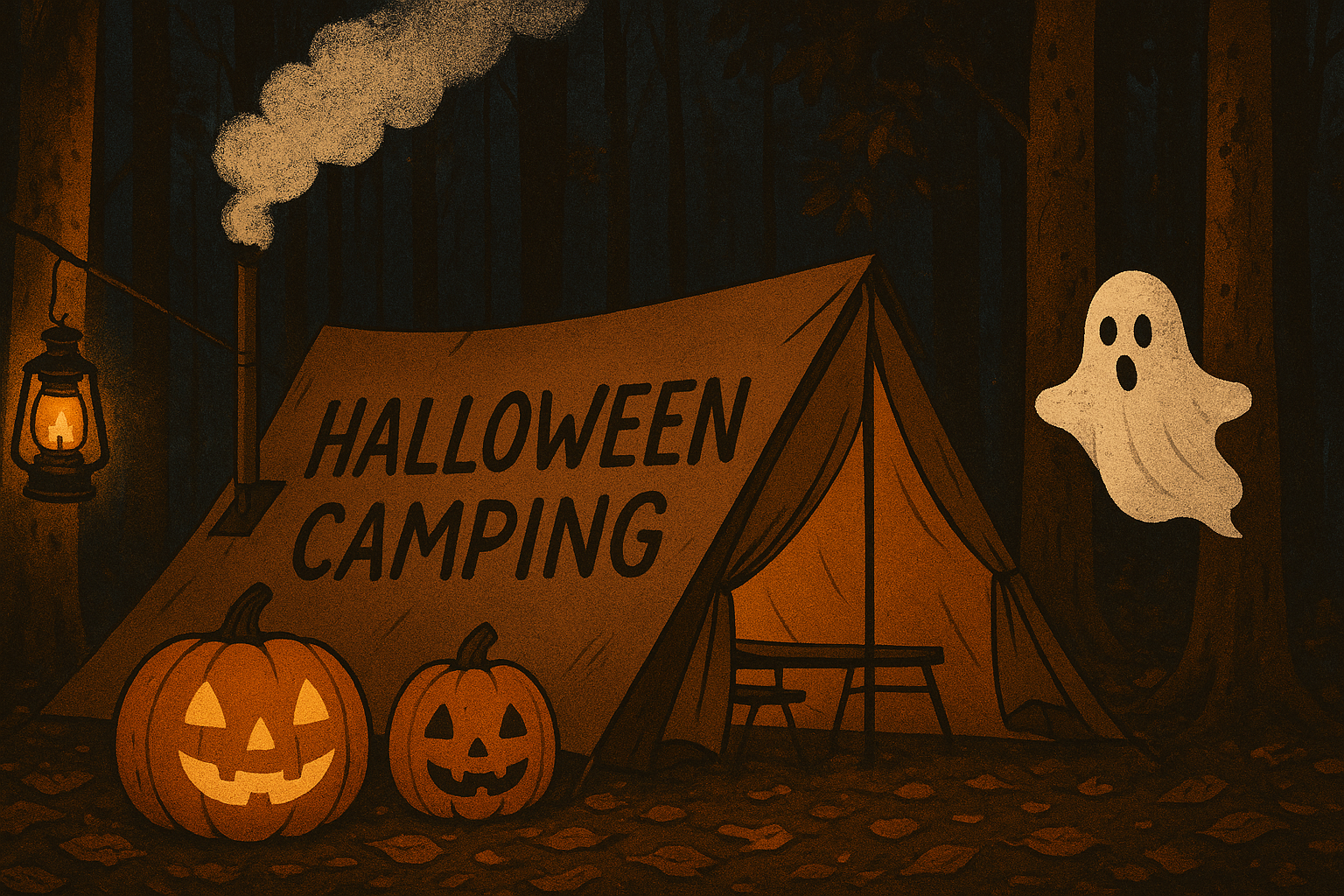
As the nights grow longer and the air turns crisp, Halloween marks the start of the coziest camping season. Instead of candy and costumes, surprise your friends and loved ones with something more lasting — high-quality outdoor gear. Whether they’re solo adventurers, car campers, or backcountry explorers, these OneTigris Camping Halloween Gift Ideas combine rugged utility with comfort and style, making them the perfect picks for fall and early-winter adventures. 🏕️ 1. OneTigris Camping Hot Tents — Shelter from the Spooky Night The OneTigris Camping Hot Tent Series brings warmth and protection to cold-weather camping. Models like the COCO NEST Solo Hot Tent, Rock Fortress, and Tetra Tent are built from waterproof nylon with reinforced seams and stove-jack compatibility — perfect for crisp November nights.Why it’s a great Halloween gift:Four-season durability for serious campersAdds warmth, safety, and style to fall adventuresA long-lasting investment for outdoor enthusiasts 🛒 Explore Collection: [Tents&Shelter] 🔥 2. Wool Blankets — Warmth that Lasts Beyond the Season A cozy OneTigris Wool Blanket is the ultimate fall essential. Made with 80% natural wool and 20% synthetic fiber, it’s soft, fire-resistant, and designed for long-term use — ideal for wrapping up by the campfire or layering in a tent.Why it’s a great gift:Naturally regulates body temperaturePerfect for car camping, cabin trips, or home useTimeless, practical, and gift-ready 🛒 Explore product : [Wool Blankets]🛒 Explore Collection: [Sleeping gear] 🪑 3. Camping Furniture — Comfort Meets Wilderness Want to elevate your gift beyond the basics? Try OneTigris camping furniture — a mix of lightweight portability and outdoor comfort. The Camping Chair Backpacking features 7075 aluminum alloy framing and a dirt/water-resistant fabric that supports up to 330 lbs. Pair it with the Portable Camping Table for meals, games, or cozy evenings by the fire. Why it’s a great Halloween gift:Combines comfort, convenience, and tactical styleDurable and lightweight — ideal for car or base campingTurns any outdoor setup into a cozy fall retreat 🛒 Discover collection: [Camping Furniture] 🎁 Final Tip:Every OneTigris product is tested in the wild and built to last. This Halloween, skip the candy and give something that inspires real adventure.
How to Clean a Sleeping Bag | Step-by-Step Guide

News

How to Clean a Sleeping Bag | Step-by-Step Guide

by Camping OneTigris on Sep 17, 2025
Different Cleaning Needs for Sleeping Bags Down sleeping bags: Lightweight and warm, but sensitive to water. They require gentle washing.  Synthetic sleeping bags: More durable and easier to clean.  By season: Summer sleeping bags may need less frequent cleaning, while winter sleeping bags require more care. How to Machine Wash a Sleeping Bag at Home If you have access to a large washer, machine washing is a convenient choice. Check the care label: Always follow the manufacturer’s instructions. Pre-cleaning: Zip up the sleeping bag fully, secure all Velcro and buckles. Spot clean areas like the hood and collar with a damp cloth and mild soap. Choose the right machine: Use a front-loading (drum) washer, not a top-loading agitator machine. Use special detergent: Pick a down-specific cleaner for down bags, or mild neutral detergent for synthetic bags. Avoid bleach or fabric softeners. Water & cycle settings: Cold or lukewarm water, gentle cycle. Pro tip: Turn your sleeping bag inside-out (flip it) before washing. This helps remove sweat and body oils from the inner lining, which is the part most exposed to your skin.  How to Hand Wash a Sleeping Bag If you don’t have a large washer, hand washing is still effective.  Fill a bathtub with lukewarm water and add sleeping bag cleaner. Fully submerge the bag, gently pressing to wash—do not wring or twist. Drain and refill the tub multiple times until the water runs clear. Press out water carefully by hand. How to Dry a Sleeping Bag Drying is as important as washing. Improper drying can damage insulation. First,Use a tumble dryer on low heat or air-dry cycle. Add a couple of clean tennis balls to help restore loft. Every 30–60 minutes, take the bag out, shake it, and if possible, flip it inside-out to speed up interior drying. For clumped fill, gently break it apart with your hands. Drying may take 2–6 hours, longer for down sleeping bags.After using the dryer, you can lay the sleeping bag out flat again in a ventilated place to dry it to avoid some areas from getting wet and causing mold.The second method: Direct Lay in well-ventilated area. Turn it regularly to ensure both sides dry completely.Avoid: Direct sunlight or high heat, which can damage insulation fibers. Sleeping Bag Care Tips for Longer Lifespan 1.Use a sleeping bag liner to reduce the need for frequent washing.2.You don't have to dry it in the sun every time you camp, but you have to keep it dry and avoid water stains.3.Store it loosely in a breathable storage sack or hang it—avoid long-term compression.4.Use a ground pad under the sleeping bag to prevent punctures or dirt buildup. Conclusion Cleaning a sleeping bag is not complicated. With gentle washing, thorough rinsing, and careful drying—you can keep your sleeping bag warm, fresh, and fluffy for many adventures to come. 👉 Looking for a reliable camping sleeping bag? Explore the OneTigris Sleeping Bag Collection and get ready for cozy autumn and winter camping trips.
Best Camping Gear for Chilly Autumn Nights

News

Best Camping Gear for Chilly Autumn Nights

by Camping OneTigris on Aug 29, 2025
Fall is one of the most magical seasons for camping—crisp air, vibrant foliage, and peaceful nights. But the drop in temperature and unpredictable weather demand a solid camping gear list. Below is your guide to the best camping gear, including essential camping chairs, warm sleeping bags, efficient camping stoves, and cozy camping blankets to make your cold-weather trip unforgettable. 1.Shelter & Sleep Gear Opt for a windproof, waterproof 3- or 4-season tent.pt for the highly windproof and waterproof STELLA Tent or Rock Fortress Hot Tent, suitable for coping with autumn night temperature fluctuations and sudden rainfall. For cold nights, a sleeping bag rated to 32°F (~0°C) paired with an insulated sleeping pad ensures warmth and comfort. 2.Camping Chairs & Blankets for Warmth For autumn fireside gatherings, camping chairs are essential—both the OneTigris Portable High-Back Chair and Low-Back Chair are excellent choices. Pair them with camping blankets to boost warmth and comfort. For the most critical stove/heater, we recommend the compact yet efficient OneTigris stove and practical accessories like fire pads. The OneTigris Tiger Roar Tent Stove, for instance, keeps you cozy inside a heated tent. 3.Carry & Pack Outdoor Backpacks: Like the OneTigris ROCUBOID Backpack, offering large capacity and waterproofing. Packing Cubes: Easily organize gear and save space. 4. Conclusion This camping gear list ensures your autumn camping trip is well-prepared, comfortable, and memorable. Explore OneTigris gear to elevate your fall adventuring essentials. 👉 Explore our Fall Camping Collection
Backpacking Tent Guide: Choose the Right Shelter for Lightweight Adventures

News

Backpacking Tent Guide: Choose the Right Shelter for Lightweight Adventures

by Camping OneTigris on Jul 21, 2025
When you’re heading into the wild with everything on your back, choosing the right tent matters. Backpacking tents are designed to be lightweight, compact, and easy to set up after a long day on the trail. But not all tents are created equal. Whether you're a solo hiker or a weekend warrior camping with a partner, this guide will help you pick the right OneTigris backpacking tent for your adventures. What to Look for in a Backpacking Tent Before diving into models, let’s quickly go over what makes a good backpacking tent: Weight: You’ll want something that keeps your base pack weight low. Ideally under 3kg. Space: Consider how many people will use the tent. A 1-person tent is great for solo trips, but if you're sharing gear, a 2-person tent may be better. Weather Resistance: Look for a waterproof rating of at least 2000mm to keep you dry in the rain. Setup: Can you pitch it fast and easily? In bad weather or at night, speed matters. Explore OneTigris Backpacking Tent Series Here are some standout options from the OneTigris Backpack Tent Collection: 1. JOVIAN Camping Tent Weight: 5.6kg Capacity: 4-person Best For: Quick to set up, suitable for family short-distance light camping, with ample space 2. STELLA Camping Tent Weight: 2kg Capacity: 2-person Best For: The light-blocking fabric improves sleep quality; the stable structure makes it suitable for camping in all seasons, and it is also the most popular style in our store. 3. COSMITTO Backpacking Tent Weight: 2.3kg Capacity: 2-person Best For: There are storage pockets on both sides of the tent and a hanging light point on the top, which is convenient for use at night. It is equipped with independent ventilation windows and covers to effectively prevent insects while improving air circulation. Which Tent Fits Your Needs? Use Case Recommended Tent Waterproof grade Family Light Camping JOVIAN 2000mm Four Seasons Camping STELLA 3000mm Bicycle/Motorcycle Tours COSMITTO 2000mm Final Thoughts Your backpacking tent is more than gear—it's your home in the wild. Choosing a model that fits your needs can make all the difference in how enjoyable (and dry) your adventure is. Explore the full tent collection here and gear up for the trails ahead!
Top Tips for Keeping Your Camping Backpack Organized

News

Top Tips for Keeping Your Camping Backpack Organized

by Camping OneTigris on Jun 13, 2025
Packing your backpack efficiently is the foundation of a successful hiking and camping trip.Packing your backpack effectively is fundamental to successful hiking and camping. Whether you're heading out for a weekend adventure or a multi-day expedition, knowing how to distribute weight and organize your gear can make all the difference in the experience. Think about your last trip. Did you waste time looking for gear? With a few simple adjustments, you can change that. Why Organization Matters? 1.Time and Stress Savings You know that feeling when you can't find your headlamp in the dark? Goodorganization saves you from that stress. When you pack with a system, you spendless time searching and more time enjoying the outdoors. You can grab your rainjacket or snacks without dumping everything out. This means you stay calm, even ifthe weather changes fast or you need something in a hurry. A little planning beforeyour trip leads to a smoother experience on the trail. 2.Space and Comfort You want your backpack to feel light and easy to carry. Smart packing helps you use every inch of space and keeps your load balanced. Backpacks use clever designs to make this even easier. Here’s how: Biomechanically engineered suspension systems spread weight evenly, so your shoulders and back feel less strain. Adjustable straps and hip belts let you fit the pack to your body, making long hikes more comfortable. Multiple compartments and pockets keep your gear sorted and easy to reach. Lightweight materials like ripstop nylon and Dyneema make your pack strong without adding extra weight. Backpacks like the WILD ROCKET Bushcraft Pack show how smart design can make a big difference. You get more space, better comfort, and quick access to your gear. Choosing the Right Backpack for Hiking and Camping Backpack Capacity: Match Your Trip Length 20-30L: Perfect for day hikes (fast and light) 40-50L: Ideal for weekend camping trips (my go-to size) 60L+: Best for multi-day expeditions (extended adventures) Key Features to Look For  Adjustable Suspension System – Ensures proper backpack weight distribution  Durable Material (500D+ Cordura) – Handles rough terrain  Smart Compartment Design – Easy access to essentials The Best Way to Pack Your Backpack for Optimal Weight Distribution 1.The 3-Zone Packing Method   Zone What Goes Here Pro Tip Bottom Sleeping bag, camp clothes Use compression sacks to save space Middle (Core) Food, water, cookset Keep heavy items close to your back Top Rain jacket, first aid, snacks Quick-access essentials These methods can help you grab what you need fast. You won’t have to unpack everything just to find your headlamp or snack. 2.Quick Access Items Some things need to be within reach at all times. Place these items in outer pockets or at the very top of your pack. Think about what you might need during a hike—rain gear, snacks, a map, or your phone. The Onetigris Wild Rocket Bushcraft Pack has side and front pockets that make it easy to store these essentials.   Use top pockets for your first aid kit and headlamp. Keep water bottles in side pockets. Store snacks and sunscreen in hip belt pockets or small outer pouches. By following these packing strategies, you make camping backpack organization simple and effective. You’ll save time, protect your gear, and enjoy your trip even more. Master List A master list is your secret weapon for camping backpack organization. Write down every item you bring and group them by category. This helps you track your gear and makes packing up at the end of your trip much easier. You can use a notebook or your phone for this list. Organized lists help you avoid searching for small parts. Grouping gear by category makes it easy to find what you need. Keeping similar items together improves tracking and retrieval. Placing important items in easy-to-reach spots saves time. Update your master list after each trip. You will notice what you used most and what you can leave behind next time.
How to Prepare for Your First Family Camping Adventure?

News

How to Prepare for Your First Family Camping Adventure?

by Camping OneTigris on May 19, 2025
Family camping lets you take a break from daily life. Picture sitting by a warm campfire, telling stories, and laughing under starry skies. These are the moments you’ll always remember. Feeling nervous about your first trip? Don’t stress! With the best family camping tips for beginners, you’ll feel ready and excited. Camping isn’t just about nature—it’s about spending time, exploring, and having fun with family. Key Takeaways Pick the best camping style for your family. You can use tents for a classic trip, RVs for comfort, or cabins for both. Find a campsite that is good for families. Look for places with playgrounds, clean bathrooms, and fun activities. Make a camping checklist to stay prepared. Add important items like maps, first aid kits, and cooking tools for a smooth trip. Plan easy meals that kids will like. One-pot meals and foil dinners are simple to make and clean up. Best Family Camping Tips for Beginners: Choosing the Right Style and Location Exploring camping styles: tent, RV, and cabin Picking the right camping style is very important. If you like sleeping outside, a tent is a great choice. Tents are cheap, easy to carry, and feel like real camping. If your family wants more comfort, try RV camping. RVs have soft beds, a kitchen, and even air conditioning. It’s like taking a small home with you. Cabins are another option if you want comfort but still feel outdoorsy. They’re great for families with little kids or first-time campers. Think about what your family likes best. Do you enjoy being outdoors with fewer comforts? Or do you need some modern conveniences? Choosing the right style makes the trip fun for everyone. Key factors for selecting a family-friendly campsite Not all campsites are good for families with kids. Look for places with playgrounds, hiking trails, and clean bathrooms. Campsites near lakes or rivers are great for swimming or fishing. Researching locations that suit your family’s needs Finding the best camping spot takes some research, but it’s worth it. Think about the weather and time of year. Spring and fall are great because it’s not too hot or cold. Pick places with activities your family enjoys, like hiking or stargazing. Read online reviews to learn about safety, cleanliness, and amenities. Websites like camping.onetigris.com also have cool gear, like the Jovian Camping Tent and Dynisland Sleeping Pad, to make your trip better. Get your family involved in planning. Ask your kids what they want to do or see. When everyone helps plan, the trip becomes more fun and special. Best Family Camping Tips for Beginners: Planning and Packing Essentials Creating a camping checklist for beginners A solid checklist is your best friend when preparing for your first family camping trip. It keeps you organized and ensures you don’t forget anything important. Here’s a simple list to get you started: Navigation tools: Bring a physical map, compass, or GPS device. A personal locator beacon is also a smart addition. Lighting: Pack a headlamp with extra batteries. It’s a lifesaver when the sun sets. Sun protection: Don’t forget sunscreen, sunglasses, and sun-protective clothing. First aid kit: Include bandages, blister treatment, pain relievers, and disinfectant. Multi-purpose knife: A multitool can handle everything from cutting rope to opening cans. Fire-starting tools: Matches, a lighter, or a fire starter are essential for warmth and cooking. Shelter: A reliable tent like the Jovian Camping Tent is a must. It’s lightweight, durable, and perfect for family adventures. Extra food and water: Always carry non-perishable snacks and plenty of water. Clothing: Pack layers to stay comfortable in changing weather. This checklist covers the basics, but you can customize it based on your family’s needs. Involve your kids in the process—it’s a fun way to teach them about planning and responsibility. Must-have gear: tents, sleeping pads, and cooking tools The right gear can make or break your camping experience. Start with a high-quality tent. The Jovian Camping Tent is an excellent choice for families. It’s spacious, easy to set up, and designed to handle various weather conditions. Pair it with the Dynisland Sleeping Pad for a cozy night’s sleep. This pad is lightweight, compact, and provides excellent comfort, even on uneven ground. Let your children participate in organizing things, which is not only a fun practical lesson, but also can cultivate their sense of responsibility. Now log in to camping.onetigris.com to get more professional equipment recommendations and start a perfect family camping trip! Best Tips for Beginner Family Campers: Meal Planning and Cooking Outdoor cooking doesn’t have to be hard. Choose simple meals that everyone will love. One-pot meals like pasta, chili, or stir-fry are great. They’re quick to make and easy to clean up. Or try a foil meal. Wrap chicken, veggies, and spices in foil and roast them over a fire. It’s tasty, fun, and something the kids can help prepare.Snacks are important, too. Pack granola bars, trail mix, and fresh fruit for a quick energy boost. Oatmeal with nuts or dried fruit is a healthy option for breakfast. Want something fun? Make pancakes in a small baking pan. Essential Camping Cooking Tools Here’s what you’ll need:Portable stove: Choose a stove with a sturdy base and adjustable flames.Cookware: Lightweight pots, pans, and a small kettle are helpful.Cutlery: Bring a spatula, tongs, and a utility knife.Cooler: Keep food fresh and easy to eat.Collapsible water container: Easy to clean and cook.One-pot meals save time and reduce cleanup. With the right tools, outdoor cooking is easy and fun. So pack your gear, grab your family, and get outdoors! Be prepared, and your first camping trip will be a success. You’ll leave with stories to tell, tips to share, and memories to cherish.
What is the Best R Value for a Sleeping Pad?

News

What is the Best R Value for a Sleeping Pad?

by Camping OneTigris on Apr 28, 2025
Every outdoor enthusiast knows that the biggest challenge of camping is not the wind and rain, but the freezing cold overnight. Many people think that a warm sleeping bag is enough, but they wake up shivering with cold. In fact, the real secret is hidden under your body - your sleeping pad, especially its r value insulation sleeping pads. To ensure that you will feel warm while sleeping (especially when the ground is cold), it is important to understand your sleeping pad's ability to resist heat loss to the ground. This resistance is called the R-value. The lab-tested R-value is a measure of resistance to heat loss. Generally speaking, the higher the R value, the better the warmth retention, which is crucial for cold weather camping. Conversely, the lower the R value, the lighter the sleeping pad, which is more suitable for summer or warm climates. 🔵 Quick Reference: R-Value 1.0–2.5 Summer Travel R-Value 2.5–4.0  Spring and Fall R-Value 4.0+ Winter, Snow, and Alpine Camping   When choosing a sleeping pad for your outdoor adventures, verifying its true R-value (thermal resistance) with ASTM F3340 certification is essential to ensure reliable performance – this globally recognized standard is trusted by top brands to cut through the misleading hype by providing lab-tested, comparable insulation data from -30°C to 20°C (-22°F to 68°F), ensuring your pad will keep you warm whether you’re camping, backpacking or mountaineering in the winter. Always prioritize independently verified R-values over unverified ratings to ensure optimal warmth in extreme conditions. Staying warm outdoors starts with smart gear choices and strategic setups. Layering sleeping pads—like placing a closed-cell foam pad beneath your inflatable sleeping pad—boosts insulation by trapping heat. Pair it with a properly rated sleeping bag for optimal thermal efficiency. Always pitch camp wisely, avoiding damp, low-lying areas and wind-exposed spots to reduce heat loss. For reliable cold-weather performance, the DREAMSTAR Sleeping Pad by OneTigris delivers advanced warmth with its 3-inch foam-filled core, reinforced sidewalls, and an impressive R-value of 6.3—effectively blocking ground chill while ensuring all-night comfort for backpacking, winter camping, or alpine adventures. Upgrade your sleep system with tested insulation and engineered durability for warmer, more restful nights under the stars. 🔗 View Full Details: DREAMSTAR Sleeping Pad by OneTigris When it comes to outdoor adventures, a good sleeping pad is an indispensable part of your survival equipment.Choosing the right R-value ensures you stay warm, safe, and energized—ready to enjoy every mile of your journey. If you’re looking for a reliable, 4 season sleeping pad that combines comfort, durability, compact size, and sophisticated design, the OneTigris DREAMSTAR Sleeping Pad is definitely one of the best choices on the market today. Are you ready to upgrade your sleep system?👉 Shop the DREAMSTAR Sleeping Pad Now  
50 SURVIVAL ITEMS YOU FORGOT TO PREPARE

News

50 SURVIVAL ITEMS YOU FORGOT TO PREPARE

by Cmaping OneTigris on Dec 14, 2024
If you’re reading this, you probably already know the basics: water, food storage, first aid, etc. But even hardcore survivalists can overlook things. In this post I want to mention 50 survival items you might have forgotten to buy. Hopefully it’ll remind you of a few things you still need to get. For everything on this list that you already have, give yourself a pat on the back. 1. Acoustic Instruments – For entertainment and morale. 2. Aluminum Foil – Great for all sorts of things like cooking food, boiling water, enhancing antennas, keeping sunlight out, etc. 3. Axes – How else will you chop firewood? 4. Baby Wipes – Really easy way to keep clean. 5. Baseballs, basketballs, footballs, etc. – Playing ball is a great way to stave off boredom and keep morale up during hard times. 6. Bicycle Gear – If gasoline is in short supply, you might need your bike to get around. That means you’ll need a bike pump, extra tubes, etc. 7. Book lights – It’s difficult to read by candlelight and you don’t want to waste your flashlight’s batteries. Book lights are cheap and last a long time. 8. Books – You might be surprised how much free time you have after the SHTF. Now’s your chance to read those books you always meant to read (like Atlas Shrugged). 9. Bug Spray – There is usually a major lack of proper sanitation after a disaster, especially if there isn’t running water. That means there will be more roaches and other critters. There might also be a lot more mosquitoes. 10. Bullion Cubes – These make boring meals much more delicious. 11. Calendars – You’ll need a way to track the day and date if the power is out for a long time. 12. Candy – Huge morale booster during difficult times. Just don’t overdo it. 13. Cast Iron Cookware – If you’re cooking over a fire, your regular pots and skillets won’t cut it. 14. Cloth Diapers – Other than the obvious usage, these are also great for cleanups because they’re so absorbent. 15. Clothes Lines and Pins – Because your dryer will be a waste of space. 16. Condiments – Imagine eating a typical meal without mustard, ketchup, soy sauce, hot sauce, etc. You’ll get bored fast. 17. Condoms – TEOTWAWKI is not a great time to get pregnant, but people still have needs. Use protection. 18. Cotton Balls – Great for first aid, cleaning, kindling, and many other things. 19. Duct Tape – A must have for any prepper. 20. Ear Plugs – It’s important to use these when hunting with firearms, but they’ll also help you sleep at night. Why? Because after the SHTF every little bump will wake you up. Just make sure someone is standing guard while you sleep. 21. Floss – It’s even more important than your tooth brush. If you’re not flossing now, get started. 22. Games – Board games, cards, crossword puzzles, jigsaw puzzles, and any other type of game that doesn’t require power. This is especially important if you have children. 23. Glasses and Repair Kits – If you wear glasses, make sure you have a backup pair and a way to fix them. 24. Glow Sticks – A great way to find your way around in a dark house. 25. Goggles – This includes safety goggles and swim goggles. You never know. 26. Hand Sanitizer – As I mentioned above, there might be a lack of proper sanitation after a major disaster. Stay germ-free. 27. Instant Coffee – If you’re hooked on coffee (like I am), then you’re liable to go crazy when your coffee pot won’t turn on. 28. Map of Your Town – Most of us have gotten used to relying on Google Maps and GPS, but those could become things of the past. Paper maps never stop working. 29. Paper Plates – So you won’t have to waste water cleaning dishes. 30. Pencil and Paper – These are historic times so keep a journal. Also important for games and making lists. 31. Pet Supplies. Don’t forget about your pets! There’s a detailed list of pet supplies in this post. 32. Plant pots – Plants are often easier to grow in pots than in the ground. 33. Plastic Sheeting – For repairing leaks, collecting water, keeping out contaminants, and much more. 34. Powdered Butter and Eggs – It’s amazing how many recipes require butter and/or eggs. These are hard to store long-term, so try some of the powdered variety. 35. Powdered Juice Mix – Because you’re going to get sick of drinking room-temperature water. 36. Saw – Axes are good for chopping firewood, but you’ll need a saw for everything else. 37. Sewing Kit – If your clothes tear, you might not be able to afford or even get access to new ones. Learn how to sew. 38. Shoe Laces – Again, you might not be able to get new ones. Plus, shoe laces have several uses. 39. Shut-off Wrench – Very important if you have gas power. A broken gas line is extremely dangerous. 40. Slingshots – Another way to kill small animals for food. 41. Snow Shoes – You’ll be trapped in a snowstorm without them. 42. Song Books – As with acoustic instruments (mentioned above), these are good for entertainment and morale boosting. 43. Survival Books – You’ll need this as a reference. Check out my post, The 10 Best Books On Survival. 44. Tampons – You really don’t want to be without these. 45. Tarps – Use them to keep stuff dry, provide shade, carry things, and so forth. 46. Umbrellas – Do you have one? If so, does it work well? And do you have extras for your family members? 47. Whistles – These can be a lifesaver if someone is under attack or lost. 48. Wind-up Clocks – So you don’t have to waste batteries. 49. Yard Bags – Heavy duty bags will be useful for all the trash and debris that accumulates. 50. Ziploc Bags – Great for keeping things dry and organized.   Source: urbansurvival
DOES HIKING MAKE YOU SMARTER? - THE WILDERNESS SOCIETY

News

DOES HIKING MAKE YOU SMARTER? - THE WILDERNESS SOCIETY

by Cmaping OneTigris on Oct 21, 2024
You may already know that your adventures in wilderness leave you feeling refreshed, less stressed and happier. It’s also possible they make you smarter.Preliminary results of a new study suggest that prolonged time in nature can boost mental abilities significantly. In an article published in Backpacker magazine, writer Elizabeth Kwak-Hefferan witnesses the phenomenon first hand as she serves as a test subject in neuroscientist Dr. David Strayer's study. Strayer wants to know what happens to the brain after a multiday wilderness hike. Past studies have shown mental benefits do occur after short periods in nature, but no one has looked at the effects of an extended trip into the wild. To get to his answer, Strayer, took a small group of backpackers for a multiday hiking trip in southeast Utah’s Grand Gulch Primitive Area. The hikers, including Kwak-Hefferan, took a cognitive test before heading out on the trail, then again after several days of backpacking. Results showed a 45 percent increase in mental abilities once the hikers had been out on the trail for three days.The theory, according to Backpacker, is that time in wilderness may inspire physiological changes, such as the release of certain hormones, or the use of different brain regions, allowing the overtaxed higher-thinking region of the brain to destress and restore clear thinking abilities. After initial tests in Utah, Strayer did another study on a larger group of Outward Bound hikers. This time, results, showed up to 50 percent increases in creative abilities. Of course, the author notes that some might say the vigorous exercise or unplugging from distracting electronics may have something to do with the results. But Strayer is just at the beginning of his research and hopes to have more answers in the future. Strayer’s studies may help explain why people commonly feel so great after hiking. This “caught up in the moment,” feeling, as described by Kwak-Hefferan, may increase our ability to focus. This is especially important as a kind of cure for the distracted thinking, typical of modern life. Daily routines are often rife with interruptions from numerous technological devices, constant advertisements and over-booked schedules. Nowadays, only by getting outdoors can you reap the rewards of living without constant distraction. The study suggests three days of wilderness exposure will net you the greatest benefits, but making brief but frequent backpacking trips could recharge your mental capacities as well, according to Backpacker. So if you are getting ready for exams or other mental challenges, the best preparation may be to take a break by hitting the trails. Weekend outings could provide the charge needed to perform at your best through the rest of your workweek. The implications of these studies extend well beyond your individual experiences. This research could provide greater support for employer flexibility, outdoor education and of course increased wilderness protection. Until then, you can begin reaping the benefits now by giving your brain the gift of wilderness.   Source: TheWildernessSociety
TIPS FOR THE BEST OUTDOOR EXPERIENCES FOR ADVENTUROUS COUPLES

News

TIPS FOR THE BEST OUTDOOR EXPERIENCES FOR ADVENTUROUS COUPLES

by Cmaping OneTigris on Oct 21, 2024
Many people say that traveling together can make or break a relationship, and the same can be said for camping.Camping is probably the best way to spend time with your loved onesHere are some tips to make you and your partner happy this camping trip. Communication: It's important to discuss what experience you both want out of the trip. If you don’t talk about it beforehand, you could end up being left behind in the tent with nothing but your beef jerky to keep you company. Camp Setup: Have one person take care of the inside of the tent and one person set up the outside. This avoids unnecessary critique of how the other does things.make sure both of you are contributing when setting up camp. The person stuck doing all the work will resent their partner, leaving room for bad feelings later on, so tasks should be divided before you start.Tips’’ Leave the headlamps, bug spray and toiletries right by the door so that you can get to everything you need when the time comes and there's no rummaging around in the dark.’’ Cooking: Just because you are out in the wilderness doesn’t mean that you can’t have a gourmet meal. Plan your meals before you leave and don’t forget all the spices and oils needed. Go through a checklist together and break down meals as well as snacks.Trail mix and fruit are great snack options, pancakes are quick and easy for breakfast and sandwiches are a snap to make for lunch Campfire: Nothing causes more heated discussions when camping (with anyone) than when people try to give advice about how to light a campfire. For the sake of your relationship, it's best to let one person take care of making the fire while the other waits patiently—and quietly—no matter how much they want to give their two cents. Clean Up: Teamwork is needed to make clean up easy so while one of you boils water to use for dishwashing, the other can go and fetch some water in your collapsible water jug for rinsing. Nobody likes cleaning, but we make sure to have a fresh glass of wine or an icy cold beer to sip on while we work. While one person washes, the other dries and within minutes we're free and ready to sit by the fire and reconnect with one another after a long week at work. Important Tip: Employ the rules you have at home for duties such as clean up. Camping is no time to be switching roles.
10 TIPS FOR CAMPING WITH KIDS

News

10 TIPS FOR CAMPING WITH KIDS

by Cmaping OneTigris on Oct 21, 2024
Going camping as a kid was the best thing ever. It was fun. It was easy. It filled my heart with joy. Going camping with kids can be magical too but it takes planning, patience, and a willingness to roll with whatever happens. Here are a few tips to make your next family camping adventure just a little more successful: 1. Put them to work – When you first get to your campsite, there’s a ton of work to do. It’s easy for kids to get bored while they wait for the tent to go up. But, even tiny kids can help with something, unloading the car, handing you tent pegs, or setting up camp chairs. It gives them something to do and gives them ownership over their own adventure. Chores that are torturous at home suddenly become fun when you’re camping. You know the phrase, “A spoon full of sugar helps the medicine go down?” A spoon full of dirt and campfire smoke helps turn everything into a game. 2. Put the screens away – My tent has an electrical outlet flap, a flap through which I can pass cords and cables to power all of my electronic devices. WHAT?! This is camping! With the allure of cell phones, tablets and gaming devices, it’s easy for “just one game” or “one last text message” to turn into a weekend you could have just as easily spent on your couch at home. If you’re in the woods to get away from it all, stay away from it all. Enjoy the wilderness, the family, the friends. Enjoy what’s real. 3. Marshmallows and hot chocolate – Some of the best things about camping are the treats. The memories associated with s’mores and trail mix are emotional. They are sugar-filled. They are magically delicious. Your kids will love planning, shopping for, and helping pack treats that they only get when you’re off the grid. 4. Tell stories – The screens are off. The fire is burning. You have a captive audience. Tell them about when you were little, about how you met their dad, about the greatest vacation of your life. They love these stories and the stories give them a sense of family identity. I recently heard renowned storyteller Donald Davis plead with parents to tell family stories to their kids. He said that kids will grow up whether we help them or not. They will get jobs, find spouses, obtain computers, get educations, whether we help them or not. However, if we don’t tell them our stories, they can never know them. We are the only ones who can tell them their history and the stories that made us who we are. He says there is only one rule to family storytelling – It doesn’t matter if they want to hear it or not. 5. Plastic Storage Containers – Organize the heck out of your camping gear. My favorite organization tip is to arrange all of your gear into kits that you keep at the ready. Keep the kits in plastic storage containers with a checklist of contents on the side. When you want to take a trip, just make sure each one is fully stocked and toss them in the back of the car. For example, the cooking kit contains matches, propane canisters, paper towels, hand sanitizer, sandwich baggies, trash bags, dishes and utensils, dish soap, peeler, knives, cutting board, towels, sponge, and a dish pan. 6. Cook food ahead of time – Whether you’re eating sandwiches, foil dinners, or scrambled eggs with potatoes and ham, prep and cook as much as you can in advance. Cook the meat most of the way and steam the rice or potatoes in your foil dinner. Cook your entire egg breakfast, put it in a Ziploc bag, and reheat it in a pan over your camp stove. Chop all your veggies in advance and slice the cheese for sandwiches. The more you prep ahead, the fewer dishes you’ll have to wash in the wilderness. 7. Let them carry their own hiking stuff – as you go for age-appropriate hikes, let the kids each carry their own backpacks with food, water and other supplies. This lightens your load and makes them feel like real campers. They love having the freedom to grab snacks when they feel like it and you will hear far fewer chants of “Mom. Mom. Mom. Can I have some beef jerky?” 8. Frisbees and balls and card games, oh my! – Stuff the gaps in between your duffles and sleeping bags with games and activities to do outside. Be creative. Late night Uno by the light of a Coleman lamp is an awesome outdoor activity. 9. Let there be light – Every person in the family should have their own flashlight. This seems obvious, but nearly every trip we get to the campground and realize we don’t have appropriate lights for each person, lights with working batteries, lights bright enough to light our way but dim enough that the 4-year-old won’t use hers to burn her siblings’ eyes out of their sockets. 10. Potty time – My best piece of advice for camping with kids is to save the nighttime potty break until the last possible second. I have had trips in which my kids used the restroom no fewer than five times in the night. This was unusual and aggravated by the fact that we were camped about seven inches from a very loudly bubbling stream. And it was uber lame. I’ve had the fewest nighttime biffy runs when I did the entire bedtime routine and then took them in their pajamas to the bathroom, walked them directly back to the tent, and dumped them into their sleeping bags. There is no such thing as a perfect camping trip, but every camping trip can be perfectly memorable and hopefully memorable for all the right reasons.